How Technology Is Changing Disaster Management

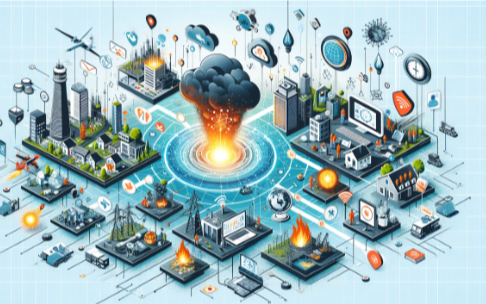
Technology is fundamentally altering disaster management practices. Enhanced data collection methods, such as sensor networks and drones, provide critical insights during emergencies. Meanwhile, artificial intelligence refines risk assessment, enabling proactive measures. Mobile applications further facilitate real-time communication, fostering community involvement. These innovations are not merely tools; they represent a shift in how societies prepare for and respond to crises. As these advancements evolve, their implications for future disaster management strategies merit closer examination.
Real-Time Data Collection and Analysis
As technology continues to evolve, the ability to collect and analyze data in real time has become a critical component of disaster management.
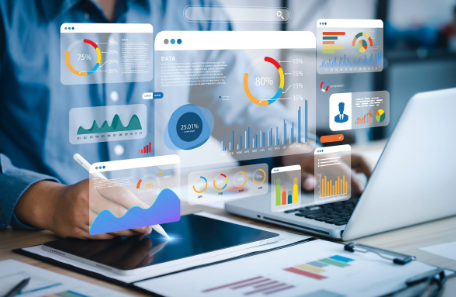
Sensor networks facilitate the gathering of vast amounts of information, while data visualization tools enable responders to interpret this data swiftly.
This dynamic approach empowers decision-makers, enhances situational awareness, and ultimately fosters a more resilient society capable of effectively navigating crises.
Drones in Disaster Response
Drones have emerged as invaluable tools in disaster response, offering unique capabilities that enhance situational awareness and operational efficiency.
Through drone surveillance, responders can quickly assess damage and locate victims, while aerial mapping generates detailed topographical data essential for planning rescue operations.
These advancements allow for a more agile response, ultimately empowering communities to recover more swiftly and autonomously in the wake of disasters.
Read also: How Technology Influences Consumer Behavior
Artificial Intelligence and Predictive Modeling
While traditional disaster management often relies on historical data and human intuition, the integration of artificial intelligence (AI) and predictive modeling is revolutionizing the field.
Machine learning algorithms enhance risk assessment by analyzing vast datasets, identifying patterns, and predicting potential disaster scenarios.
This proactive approach empowers decision-makers, allowing for timely interventions and resource allocation, ultimately enhancing community resilience and safety in the face of unpredictable events.
Mobile Applications and Community Engagement
How can mobile applications transform community engagement in disaster management?
By facilitating real-time community alerts, these applications empower individuals to receive critical information promptly.
Moreover, incorporating user feedback fosters a participatory approach, enabling communities to voice concerns and suggest improvements.
This two-way communication enhances responsiveness, ensuring that disaster management strategies align with the needs and preferences of the community, ultimately fostering resilience.
Conclusion
In the evolving landscape of disaster management, technology emerges as a beacon of hope, illuminating pathways to resilience and preparedness. Through the intricate tapestry of real-time data, drones, and artificial intelligence, communities are not merely reacting to crises but anticipating them with newfound foresight. Mobile applications weave a thread of engagement, fostering a collective spirit among individuals. As these innovations coalesce, they forge a robust framework that transforms chaos into structured response, ultimately safeguarding lives and livelihoods.